5 Simple Logo Design Techniques for Startup Founders
Five practical, no-experience-needed techniques founders can use to design a stronger logo.
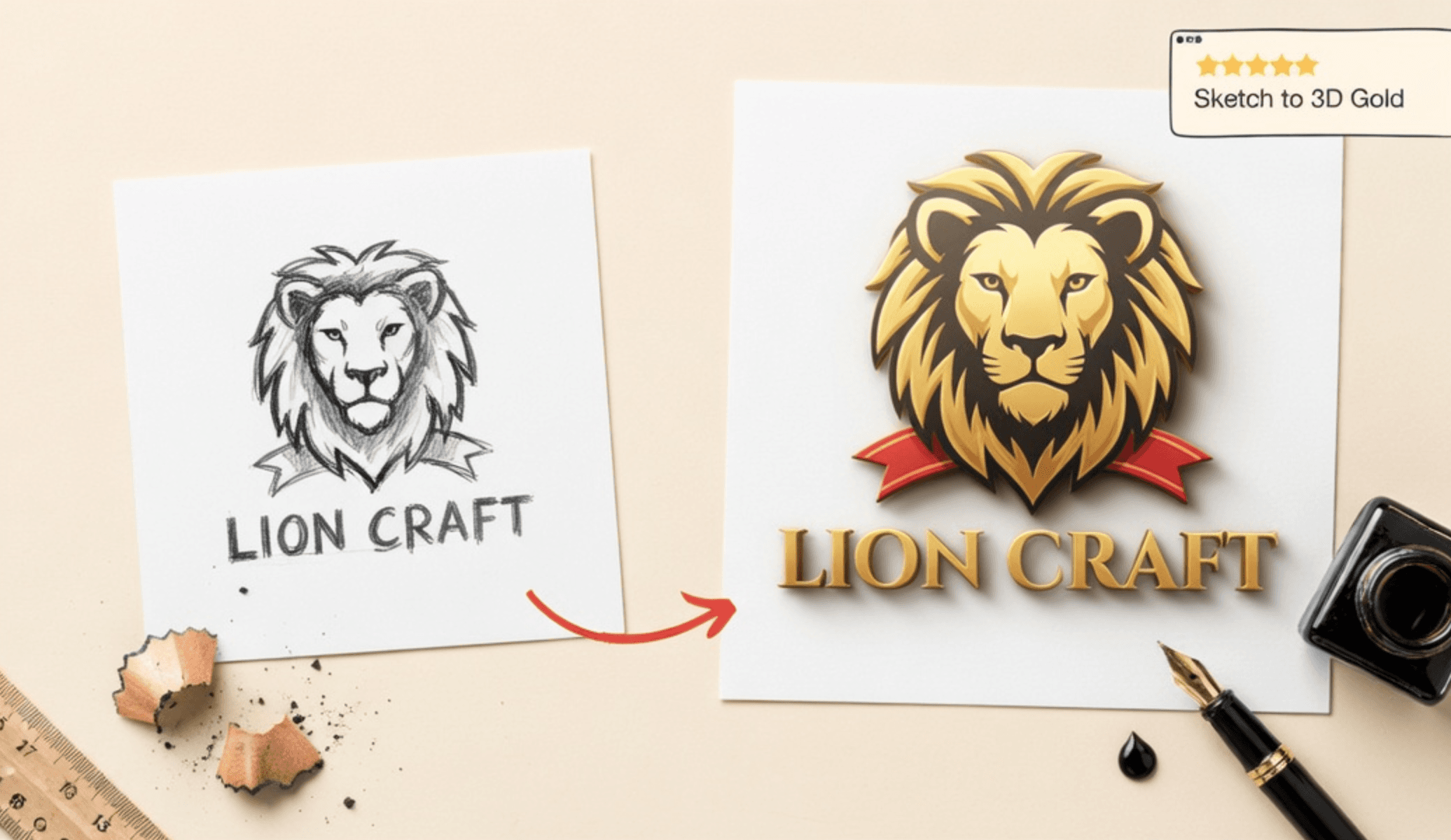
Starting a new business is an exhilarating journey, but amidst the chaos of product development and market research, one crucial element often gets pushed to the back burner: your logo. As a startup founder, you might be tempted to quickly sketch something out or hire the cheapest designer you can find. However, your logo is often the first interaction a potential customer has with your brand. It needs to communicate your values, establish trust, and be memorable.
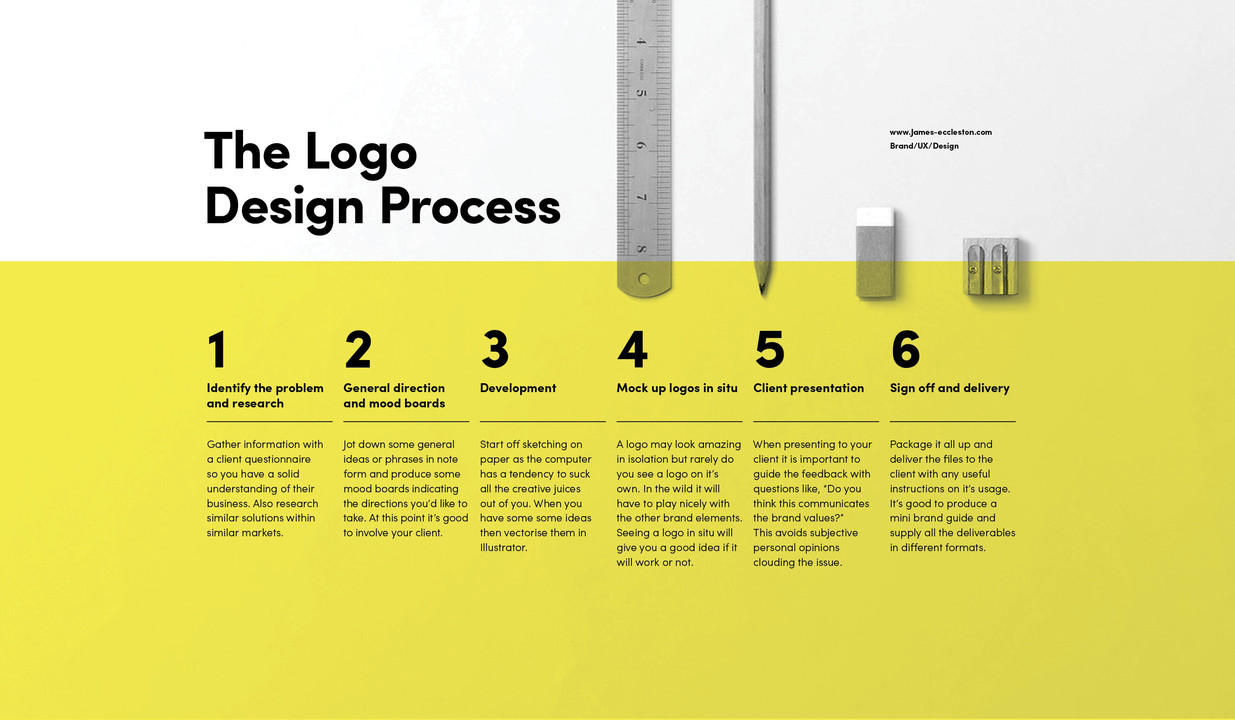
The good news is that creating an effective startup logo doesn't necessarily require a massive budget or months of revisions. By understanding a few fundamental principles, you can guide the design process—whether you're doing it yourself or working with a professional—to achieve a result that truly represents your vision. Let's explore five simple yet powerful logo design techniques that every startup founder should know.
1. Embrace the Power of Minimalism
In the world of logo design, less is almost always more. A complex logo with intricate details might look great on a large computer screen, but how will it appear when scaled down to a tiny favicon on a mobile browser or printed on a business card? Minimalist logo designs are not only more versatile but also easier for the human brain to process and remember.
Think about some of the most iconic logos in the world—Apple, Nike, Target. They are incredibly simple. When designing your startup's logo, strip away any unnecessary elements. Ask yourself: "Does this line, color, or shape serve a specific purpose?" If the answer is no, remove it. A clean, uncluttered design will ensure your logo remains legible and impactful across all mediums.
2. Choose Colors with Intention
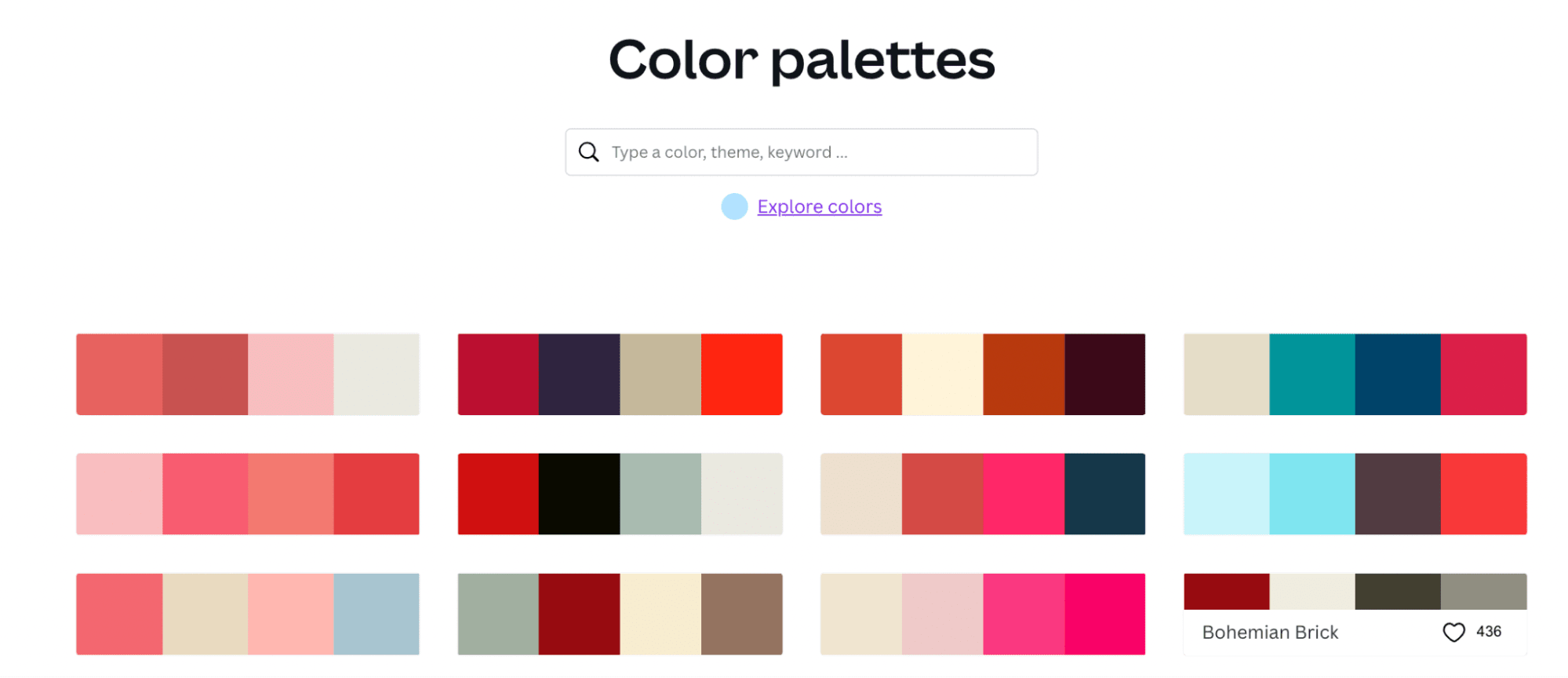
Color is a powerful psychological tool. It can evoke emotions, convey messages, and significantly influence how consumers perceive your brand. Before you start picking your favorite colors, consider the psychological associations of different hues and how they align with your startup's core values.
For instance, blue often represents trust, security, and professionalism, making it a popular choice for tech and financial startups. Red can signify excitement, passion, and urgency, while green is frequently associated with growth, health, and eco-friendliness. Don't just choose colors because they look nice together; choose them because they tell the right story about your business.
3. Prioritize Typography
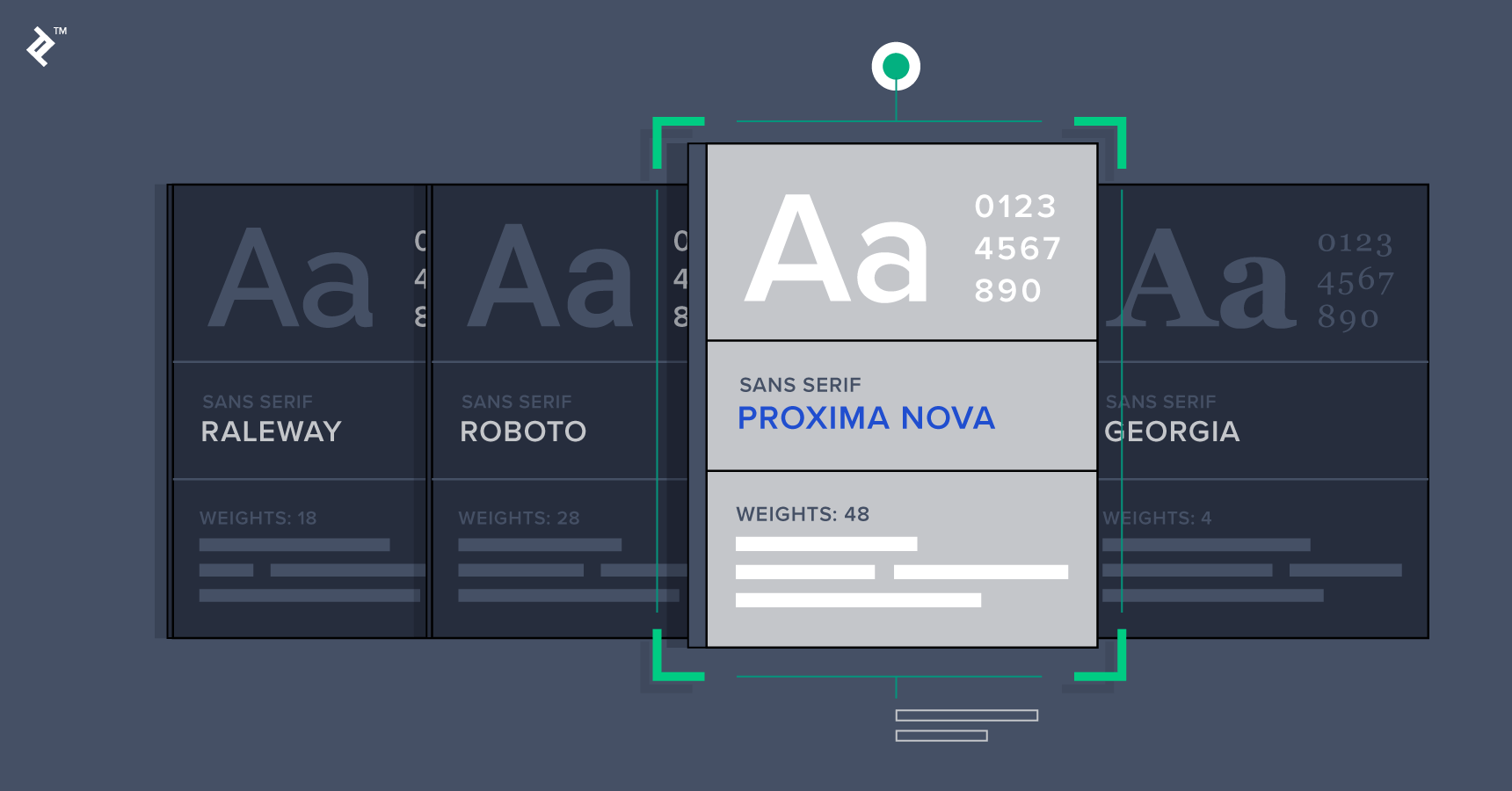
If your logo includes text (a wordmark or lettermark), the font you choose is just as important as any graphic element. Typography carries its own personality and can drastically alter the tone of your logo. A sleek, sans-serif font might communicate modernity and innovation, while a classic serif font can convey tradition and reliability.
When selecting a font, prioritize legibility above all else. Avoid overly decorative or trendy fonts that might become dated quickly or be difficult to read at smaller sizes. Customizing an existing font—perhaps by tweaking a single letter or adjusting the spacing (kerning)—can also be a great way to create a unique typographic identity without starting from scratch.
4. Ensure Scalability and Versatility
Your startup's logo will need to live in many different places: your website header, social media profiles, email signatures, packaging, and perhaps even billboards one day. A common mistake founders make is designing a logo that only looks good in one specific context.
To ensure versatility, your logo should be designed in vector format (like SVG or EPS) rather than raster (like JPEG or PNG). Vector graphics can be scaled infinitely without losing quality. Additionally, make sure your logo works just as well in black and white as it does in full color. If your design relies entirely on color gradients to make sense, it will fail when printed in single-color formats.
5. Keep It Relevant but Timeless
While it's important for your logo to be relevant to your industry, you should avoid being too literal. If you're starting a coffee shop, your logo doesn't necessarily need to feature a coffee cup. Think about the feeling or experience you want to convey rather than just the literal product or service.
Furthermore, try to avoid jumping on the latest design trends. What looks cutting-edge today might look hopelessly outdated in three years. Aim for a timeless design that will grow with your company. If you're looking for inspiration on how to achieve this balance, you can explore some excellent examples of simple logo designs that stand the test of time.
Designing a logo for your startup doesn't have to be an overwhelming process and a quick look of Anylogo design blog can help you a long way. By focusing on minimalism, intentional color choices, strong typography, scalability, and timelessness, you can create a visual identity that effectively represents your brand and resonates with your target audience. Remember, your logo is an investment in your company's future—take the time to get it right.
Ready to create your own logo?
Turn your brand name into professional logo concepts in seconds with LogoAI.
Generate my logo