Why the Sephoria Beauty & Spa Logo Works: A Design Breakdown
How soft type and a refined mark communicate calm and luxury for a beauty and spa brand.
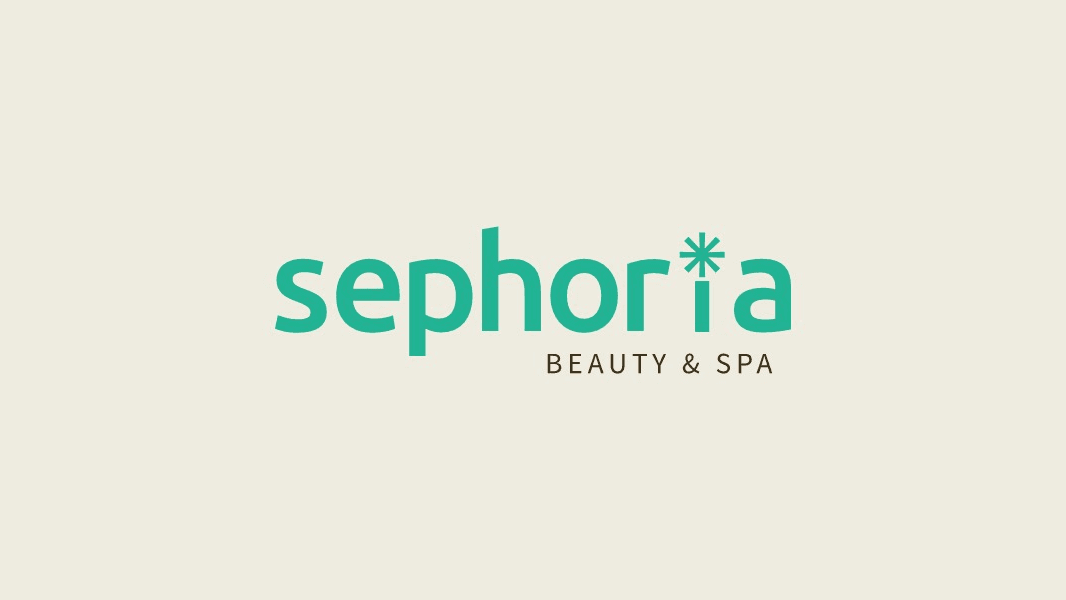
There is a particular kind of confidence in a logo that does not try too hard. The Sephoria Beauty & Spa logo is exactly that — a wordmark-led design that communicates luxury, calm, and modernity without resorting to ornate flourishes or complex iconography. Every decision in this logo is deliberate, and the result is a mark that feels both timeless and immediately contemporary. This post breaks down the design choices that make it work.
The Wordmark-First Approach
Sephoria is a wordmark logo — meaning the brand name itself is the primary visual element, with no separate icon or symbol. This is a common choice for beauty and wellness brands, and for good reason: a well-crafted wordmark is inherently personal and distinctive. It puts the brand name front and center, making it immediately legible and memorable in a way that an abstract icon alone cannot achieve.
The typeface chosen for "sephoria" is a rounded, humanist sans-serif set entirely in lowercase. This is a significant stylistic decision. Lowercase lettering in brand design typically communicates approachability, warmth, and informality — qualities that are directly aligned with the experience a beauty and spa brand wants to deliver. The rounded terminals on the letterforms reinforce this softness, giving the wordmark an organic, tactile quality that feels appropriate for a brand built around physical comfort and self-care.
The Asterisk Detail: Small Change, Big Impact
The most distinctive element of this logo is the substitution of the dot above the lowercase "i" with a small asterisk or snowflake-style mark. This is a classic typographic substitution technique — replacing a standard letterform detail with a custom symbol to create a unique, ownable element within an otherwise conventional wordmark.
The asterisk works on multiple levels here. Visually, it adds a moment of unexpected detail that rewards close inspection — the kind of subtle craft that signals a brand that cares about the finer points of its identity. Symbolically, the asterisk or snowflake shape carries associations with freshness, precision, and purity — all qualities relevant to a beauty and spa context. It also echoes the shape of certain botanical or floral motifs commonly associated with wellness brands, without being literal enough to feel generic.
Crucially, the asterisk is rendered in the same teal color and at a weight that feels native to the typeface rather than grafted on. This integration is what separates a successful typographic substitution from one that feels like an afterthought.
Color: Teal as a Strategic Choice
The teal used for the "sephoria" wordmark sits at the intersection of green and blue — a color that carries the calming, trustworthy associations of blue alongside the natural, organic associations of green. In the beauty and wellness industry, teal has become a marker of premium, modern brands that want to distinguish themselves from the soft pinks and lavenders of traditional spa aesthetics.
The specific shade used here is medium-saturated and slightly warm — not the cold, clinical teal of a medical brand, but not the overly saturated teal of a fast-fashion label either. It reads as sophisticated and considered, which is exactly the register a beauty and spa brand needs to occupy. Against the warm cream background of the logo presentation, the teal has a natural, almost botanical quality that reinforces the brand's wellness positioning.
The "BEAUTY & SPA" sub-line is set in a warm dark grey rather than black, which softens the contrast and keeps the overall palette feeling cohesive and gentle. This is a small but important detail — pure black would introduce a harshness that would undercut the logo's overall softness.
Typographic Hierarchy: Two Levels, Perfectly Balanced
The logo operates on two clear typographic levels. The primary wordmark "sephoria" is large, rounded, and set in teal — it is read first and carries the full weight of the brand identity. The secondary line "BEAUTY & SPA" is set in a smaller, spaced-out uppercase sans-serif in dark grey — it provides context and category information without competing with the primary wordmark.
The all-caps, widely-spaced setting of "BEAUTY & SPA" creates a deliberate contrast with the lowercase, tightly-set "sephoria" above it. This contrast — lowercase versus uppercase, teal versus grey, rounded versus geometric — is what gives the logo its visual interest and sense of completeness. The two elements feel like they belong together precisely because they are different enough to create tension while sharing the same underlying design sensibility.
What This Logo Teaches Us About Beauty Brand Design
The Sephoria logo is a reminder that restraint is a design skill. There is no gradient, no decorative border, no complex icon — just a carefully chosen typeface, a single clever substitution, and a color palette that communicates exactly the right brand values. The result is a logo that would feel equally at home on a high-end product label, a spa reception desk, a business card, or a social media profile.
For beauty and wellness brands, the lesson is clear: invest in the quality of your typography and the precision of your color choices before reaching for decorative elements. A well-crafted wordmark with a single distinctive detail will almost always outperform a complex icon-based logo in terms of memorability and versatility. If you are designing a logo for a beauty, spa, or wellness brand, explore the wellness logo templates on LogoAI to see how different typographic and color approaches translate into finished brand marks. The AI logo maker can also help you experiment with wordmark styles, custom color palettes, and typographic pairings — giving you a professional result that reflects your brand's unique personality.
Ready to create your own logo?
Turn your brand name into professional logo concepts in seconds with LogoAI.
Generate my logo